
The energy and utilities sector is undergoing a remarkable transformation, driven by technological advancements and growing sustainability demands. As we move into 2025, several innovations are reshaping how energy is produced, distributed, and consumed. Here, we explore 15 Key Innovations Transforming the Energy and Utilities Sector in 2025.
1. Advanced Renewable Energy Technologies: Key Innovations Transforming the Energy and Utilities Sector in 2025
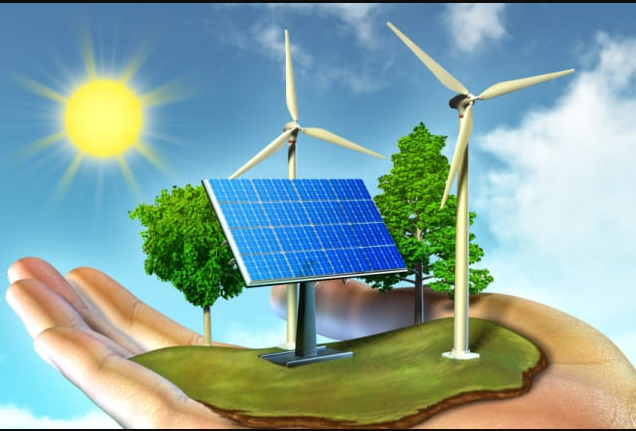
Renewable energy technologies are evolving rapidly, making solar, wind, and hydroelectric power more efficient and accessible. Breakthroughs in materials, such as perovskite solar cells and advanced turbine designs, have significantly increased energy output while reducing costs. These advancements not only help accelerate the global transition away from fossil fuels but also ensure energy access in underserved regions. With innovations continually lowering barriers to entry, businesses and governments are finding it easier to implement renewable solutions on a large scale.
Key Features:
- Enhanced energy conversion rates with next-gen materials.
- Lower production costs and wider accessibility.
Location Perks:
- Regions with abundant natural resources.
- Urban centers adopting renewable energy mandates.
2. Energy Storage Solutions: Key Innovations Transforming the Energy and Utilities Sector in 2025
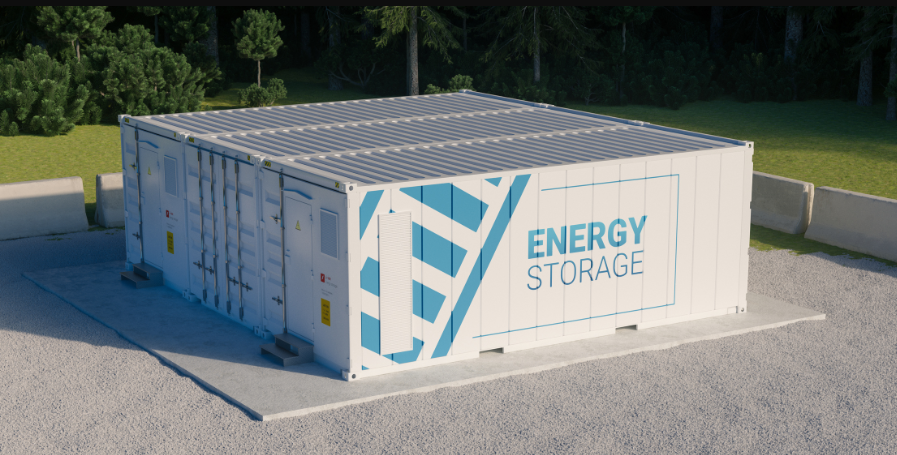
Energy storage is a game-changer, enabling consistent power supply even when renewable sources fluctuate. Innovations in battery technology, such as solid-state batteries and grid-scale storage systems, are revolutionizing energy storage. These advancements allow excess energy to be stored and used during periods of low generation, ensuring stability and efficiency. Beyond residential and industrial applications, large-scale storage systems are critical for integrating renewables into national grids, making energy more reliable and accessible.
Key Features:
- Long-lasting and efficient battery designs.
- Scalable solutions for both residential and industrial use.
Location Perks:
- Areas with high renewable energy generation.
- Regions investing in smart grid infrastructure.
3. Smart Grids: Key Innovations Transforming the Energy and Utilities Sector in 2025
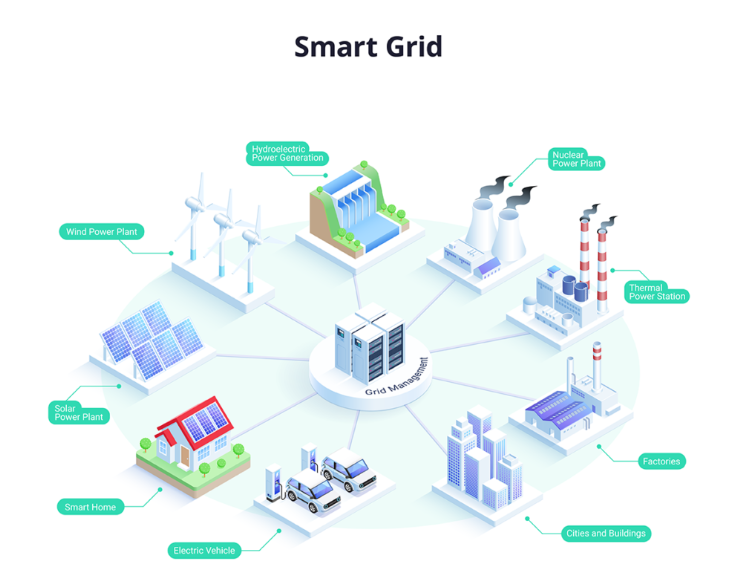
Smart grids integrate digital technology with traditional power networks to optimize electricity distribution. These systems use real-time data to predict and respond to energy demands, improving efficiency and reducing outages. Advanced smart grids also enable two-way communication between providers and consumers, empowering households to monitor and adjust their energy usage. As the backbone of modern energy systems, smart grids play a pivotal role in accommodating distributed energy resources and supporting renewable integration.
Key Features:
- Real-time monitoring and predictive analytics.
- Enhanced integration with renewable energy sources.
Location Perks:
- Urban centers with growing electricity demands.
- Regions modernizing outdated grid infrastructure.
4. Distributed Energy Resources (DERs): Key Innovations Transforming the Energy and Utilities Sector in 2025
DERs, such as rooftop solar panels and small wind turbines, empower consumers to generate their own electricity. These systems reduce reliance on centralized grids and foster energy independence. With advancements in storage and monitoring technologies, DERs allow households and businesses to store excess energy and even sell it back to the grid. This shift towards localized energy production is not only cost-effective but also boosts resilience against power outages.
Key Features:
- Increased energy autonomy and resilience.
- Opportunities for peer-to-peer energy trading.
Location Perks:
- Suburban and rural areas with space for installations.
- Communities seeking energy independence.
5. Hydrogen Energy: Key Innovations Transforming the Energy and Utilities Sector in 2025
Hydrogen is emerging as a versatile and clean energy source with applications in transportation, industry, and power generation. Innovations in hydrogen production, such as electrolysis powered by renewable energy, are making it more cost-effective and sustainable. Hydrogen fuel cells offer a zero-emission alternative for vehicles and industrial processes, while green hydrogen is being hailed as the fuel of the future for decarbonizing hard-to-abate sectors like steel production and aviation.
Key Features:
- Zero emissions when used as a fuel source.
- Diverse applications across multiple industries.
Location Perks:
- Regions with renewable energy surpluses for hydrogen production.
- Industrial hubs seeking low-carbon solutions.
6. Carbon Capture and Storage (CCS): Key Innovations Transforming the Energy and Utilities Sector in 2025
CCS technology captures carbon dioxide emissions from industrial processes and power plants, preventing them from entering the atmosphere. Advances in CCS, including direct air capture and carbon utilization, are making it more efficient and affordable. This technology is particularly vital for transitioning industries that rely heavily on fossil fuels, offering a path to meet emission reduction targets without completely overhauling infrastructure.
Key Features:
- Reduces carbon emissions without halting industrial activities.
- Compatible with existing fossil fuel infrastructure.
Location Perks:
- Regions with high industrial emissions.
- Areas incentivizing carbon reduction technologies.
7. Electric Vehicle (EV) Integration: Key Innovations Transforming the Energy and Utilities Sector in 2025
The integration of EVs into energy systems is transforming electricity demand patterns. Vehicle-to-grid (V2G) technology enables EVs to act as mobile energy storage units, providing backup power during peak demand. As EV adoption grows, utilities are developing smarter charging solutions to balance grid loads and maximize renewable energy use. This creates a harmonious relationship between the energy and transportation sectors, unlocking new efficiencies and opportunities for growth.
Key Features:
- Bidirectional charging capabilities with V2G technology.
- Reduces strain on electricity grids during peak times.
Location Perks:
- Urban areas with high EV adoption rates.
- Regions developing EV-friendly infrastructure.
8. Artificial Intelligence (AI) in Energy Management: Key Innovations Transforming the Energy and Utilities Sector in 2025
AI is revolutionizing energy management by analyzing vast amounts of data to optimize energy generation and consumption. From predictive maintenance of equipment to dynamic pricing strategies, AI enhances efficiency across the energy value chain. For energy providers, AI-driven analytics enable better demand forecasting and resource allocation, while consumers benefit from personalized energy plans and smart home integration.
Key Features:
- Data-driven insights for energy optimization.
- Improved operational efficiency and cost savings.
Location Perks:
- Tech-savvy urban areas with smart infrastructure.
- Regions with significant energy production facilities.
9. Blockchain for Energy Transactions
Blockchain technology is streamlining energy trading and improving transparency in energy markets. Peer-to-peer energy trading platforms powered by blockchain allow consumers to buy and sell electricity directly. These platforms eliminate intermediaries, reducing transaction costs and fostering trust. As blockchain adoption grows, its applications in tracking renewable energy certificates and verifying carbon credits are expanding.
Key Features:
- Secure and transparent transaction records.
- Facilitates decentralized energy trading.
Location Perks:
- Communities with high DER adoption.
- Urban areas exploring blockchain applications.
10. Floating Solar Farms: Key Innovations Transforming the Energy and Utilities Sector in 2025
Floating solar farms, installed on water bodies, maximize space utilization while reducing evaporation and algae growth. These farms are particularly effective in regions with limited land availability. Innovations in anchoring systems and solar panel durability are driving the growth of this unique renewable energy solution. Additionally, floating solar farms have minimal environmental impact, making them a viable option for ecosystems that need conservation.
Key Features:
- Efficient use of water surfaces for energy generation.
- Reduced impact on land resources.
Location Perks:
- Regions with large reservoirs or water bodies.
- Areas facing land constraints for solar installations.
11. Energy-as-a-Service (EaaS): Key Innovations Transforming the Energy and Utilities Sector in 2025
EaaS models enable businesses and households to access energy solutions without upfront investments. Companies offering subscription-based services handle everything from installation to maintenance. This model simplifies the adoption of renewable energy and energy-saving technologies, allowing users to benefit from lower energy bills and reduced carbon footprints without bearing the high initial costs.
Key Features:
- Flexible payment structures and minimal initial costs.
- Comprehensive energy management solutions.
Location Perks:
- Urban and suburban areas with diverse energy needs.
- Regions promoting renewable energy adoption.
12. Microgrids
Microgrids are localized energy systems that can operate independently or alongside the main grid. These systems enhance energy resilience, particularly in disaster-prone areas. By integrating renewable energy and storage, microgrids ensure continuous power supply even during grid outages. They also provide an opportunity to test innovative energy solutions on a smaller scale before broader implementation.
Key Features:
- Increased energy reliability and independence.
- Supports renewable energy integration and storage.
Location Perks:
- Rural and remote communities.
- Urban areas seeking resilient energy solutions.
13. Energy Efficiency Retrofits: Key Innovations Transforming the Energy and Utilities
Retrofitting existing buildings with energy-efficient technologies is a cost-effective way to reduce energy consumption and emissions. Solutions include advanced insulation, smart lighting, and energy-efficient HVAC systems. Beyond environmental benefits, these retrofits can increase property values and improve occupant comfort, making them a win-win for property owners and tenants.
Key Features:
- Significant reduction in energy consumption.
- Long-term cost savings and environmental benefits.
Location Perks:
- Cities with aging infrastructure.
- Regions offering incentives for energy efficiency upgrades.
14. Offshore Wind Farms: Key Innovations Transforming the Energy and Utilities
Offshore wind farms are expanding rapidly, driven by technological advances and growing energy demand. These installations benefit from stronger and more consistent winds at sea, generating substantial power. Innovations in turbine design, floating platforms, and installation techniques are reducing costs, making offshore wind a competitive energy source. They also offer an alternative for densely populated coastal regions with limited land for renewable installations.
Key Features:
- High energy yield from strong offshore winds.
- Reduced visual and land use impact compared to onshore turbines.
Location Perks:
- Coastal regions with suitable wind conditions.
- Areas prioritizing renewable energy expansion.
15. Waste-to-Energy (WTE) Technologies:Key Innovations Transforming the Energy and Utilities
WTE technologies convert waste into usable energy, addressing waste management challenges while generating power. Advanced thermal and biochemical processes improve efficiency and reduce emissions. These systems not only reduce landfill waste but also provide a reliable energy source, making them a key component of the circular economy. WTE projects are particularly valuable for urban centers struggling with growing waste volumes.
Key Features:
- Reduces landfill dependence and greenhouse gas emissions.
- Produces energy from otherwise unusable waste materials.
Location Perks:
- Urban areas with high waste generation.
- Regions prioritizing circular economy initiatives.
Conclusion Key Innovations Transforming the Energy and Utilities
The energy and utilities sector in 2025 is marked by innovation and sustainability. By adopting these key advancements, industries and communities can create a more efficient, resilient, and environmentally friendly energy future. These innovations not only address current challenges but also pave the way for long-term progress.