
The food and beverage industry is evolving at an unprecedented pace, with new trends, technologies, and consumer demands shaping its future. Entrepreneurs and businesses need to stay ahead of the curve to capitalize on emerging opportunities. Here are 15 Emerging Opportunities in the Food and Beverage Industry
1. Plant-Based Alternatives: Emerging Opportunities in the Food and Beverage Industry

As more consumers prioritize health and sustainability, plant-based foods have become a cornerstone of modern diets. These alternatives cater to vegetarians, vegans, and flexitarians alike. The range of products has expanded significantly, from plant-based milk and cheese to innovative meat substitutes that mimic the taste and texture of real meat. Businesses can innovate by creating products that not only appeal to health-conscious individuals but also attract mainstream consumers through taste and affordability.
Key Features:
- Rich in nutrients like fiber and vitamins.
- Lower environmental footprint compared to animal-based products.
Location Perks:
- Urban areas with health-conscious populations.
- Regions with rising awareness of climate change.
2. Functional Beverages: Emerging Opportunities in the Food and Beverage Industry
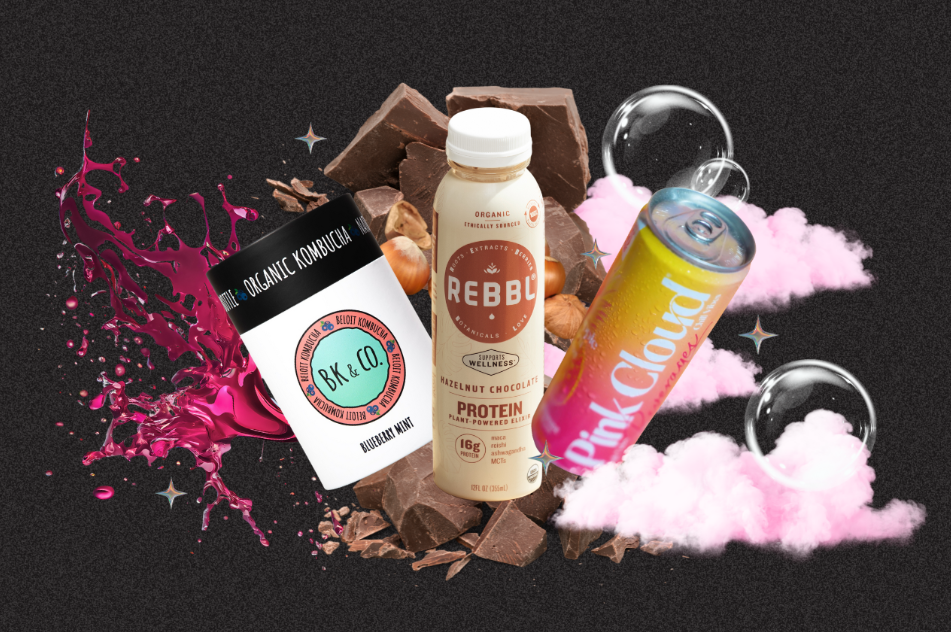
Functional beverages, such as kombucha, energy drinks, and vitamin-infused waters, are gaining traction. These drinks go beyond quenching thirst; they offer health benefits, from boosting immunity to enhancing mental clarity. The rise in demand for wellness products has driven innovation in formulations that cater to specific health needs, such as stress relief, hydration, and improved digestion. Businesses can capitalize on this trend by introducing beverages tailored to niche markets.
Key Features:
- Infused with probiotics, adaptogens, or vitamins.
- Tailored to specific health needs like stress relief or gut health.
Location Perks:
- Wellness hubs and fitness centers.
- Markets with a younger demographic.
3. Ghost Kitchens and Virtual Brands: Emerging Opportunities in the Food and Beverage Industry

Ghost kitchens, which operate exclusively for online delivery, are redefining the restaurant landscape. These virtual kitchens lower overhead costs while reaching tech-savvy consumers who prefer online food delivery. By eliminating the need for dine-in space, businesses can focus entirely on optimizing delivery times and menu quality. This model allows for rapid experimentation with different cuisines and branding without significant investment in physical locations.
Key Features:
- No dine-in space required.
- Focus on popular delivery platforms.
Location Perks:
- High-density urban areas.
- Communities with strong app usage.
4. Sustainable Packaging Solutions: Emerging Opportunities in the Food and Beverage Industry
Consumers are increasingly aware of the environmental impact of packaging. Offering biodegradable or reusable packaging can set businesses apart while aligning with eco-friendly values. Innovative designs, such as edible packaging or compostable materials, are gaining attention for their ability to reduce waste. This shift not only attracts environmentally conscious customers but also aligns with emerging regulations on single-use plastics.
Key Features:
- Compostable or recyclable materials.
- Sleek and functional designs that attract eco-conscious buyers.
Location Perks:
- Cities with strict waste management policies.
- Green-conscious communities.
5. Global Flavors and Fusion Cuisines: Emerging Opportunities in the Food and Beverage Industry
The globalization of taste buds has led to a surge in demand for authentic and fusion cuisines. Whether it’s Korean-Mexican tacos or Indian-Italian pizzas, blending cultures offers endless creative possibilities. Businesses can explore unique flavor combinations and storytelling through food, creating memorable dining experiences. This trend is fueled by adventurous eaters eager to try something new and share their experiences on social media.
Key Features:
- Diverse and bold flavors.
- Cross-cultural culinary experiences.
Location Perks:
- Cosmopolitan cities.
- Areas with diverse ethnic populations.
6. Meal Kits and DIY Cooking: Emerging Opportunities in the Food and Beverage Industry
Busy lifestyles have made meal kits a popular choice for those seeking convenience without compromising on quality. These kits provide pre-portioned ingredients and recipes for cooking at home, making gourmet meals accessible to all skill levels. Businesses can tap into this market by offering themed kits, dietary-specific options, or seasonal recipes that cater to families and professionals alike.
Key Features:
- Saves time while ensuring fresh, quality ingredients.
- Encourages home cooking and creativity.
Location Perks:
- Suburban families.
- Professionals in metropolitan areas.
7. Low-Alcohol and Alcohol-Free Beverages: Emerging Opportunities in the Food and Beverage Industry
Consumers seeking moderation are turning to low-alcohol and alcohol-free options. These beverages cater to a growing audience that prioritizes socializing without the side effects of heavy drinking. With sophisticated flavors and premium branding, these products are redefining what it means to enjoy a drink. Businesses can create a variety of options, from sparkling mocktails to low-ABV craft beers, to capture this emerging market.
Key Features:
- Crafted with sophisticated flavors.
- Appeals to health-conscious and sober-curious individuals.
Location Perks:
- Trendy nightlife areas.
- Regions with health-conscious consumers.
8. Hyper-Personalized Nutrition: Emerging Opportunities in the Food and Beverage Industry
Technology now allows consumers to tailor their diets based on DNA, lifestyle, or health goals. Businesses that offer personalized meal plans and products are tapping into this lucrative niche. From subscription-based services to AI-driven diet recommendations, personalization adds value and fosters customer loyalty. This trend is particularly appealing to individuals looking for long-term health solutions.
Key Features:
- Tailored to individual dietary needs.
- Often tech-integrated, such as apps or wearable trackers.
Location Perks:
- Tech-savvy urban centers.
- Areas with high health awareness.
9. Specialty Coffee and Tea: Emerging Opportunities in the Food and Beverage Industry
Craft coffee and premium tea offerings are no longer limited to specialty shops. Innovative flavors, brewing methods, and presentation styles are drawing in aficionados and casual drinkers alike. Businesses can attract customers by offering unique experiences, such as coffee tasting sessions or rare tea blends sourced from exotic locations. This focus on quality and authenticity resonates with discerning consumers.
Key Features:
- Locally sourced or ethically traded products.
- Creative blends and artisanal methods.
Location Perks:
- Downtown business districts.
- Tourist hotspots.
10. Food Waste Solutions: Emerging Opportunities in the Food and Beverage Industry
Reducing food waste is not only ethical but also a significant business opportunity. Innovations in repurposing surplus food or offering products with extended shelf lives are gaining popularity. By addressing this issue, businesses can lower costs while contributing to sustainability. Companies can also collaborate with nonprofits or create apps that connect surplus food with those in need.
Key Features:
- Upcycled ingredients or zero-waste initiatives.
- Platforms connecting surplus food to those in need.
Location Perks:
- Cities with high food production and waste.
- Communities with strong sustainability initiatives.
11. Farm-to-Table Experiences: Emerging Opportunities in the Food and Beverage Industry
Consumers crave transparency and freshness in their food choices. Farm-to-table restaurants and markets emphasize locally sourced, seasonal ingredients. These venues also serve as educational platforms, allowing customers to learn about the origins of their food and the farmers who produce it. By creating a direct connection to agriculture, businesses can build trust and loyalty.
Key Features:
- Direct connection to local farms.
- Emphasis on organic and sustainable practices.
Location Perks:
- Rural and suburban areas.
- Urban locales with farmer’s markets.
12. AI and Automation in Dining: Emerging Opportunities in the Food and Beverage Industry
From robotic chefs to AI-driven menu customization, technology is revolutionizing dining. These advancements enhance efficiency while delivering unique customer experiences. Automated kitchens and AI-powered analytics can help businesses reduce costs and improve service. For consumers, technology adds an element of novelty and convenience that enhances the overall dining experience.
Key Features:
- Reduces operational costs and errors.
- Appeals to tech enthusiasts.
Location Perks:
- Tech-friendly urban areas.
- High-traffic locations like airports.
13. Alternative Proteins: Emerging Opportunities in the Food and Beverage Industry
Beyond traditional meats and tofu, alternative proteins such as lab-grown meat and insect-based products are on the rise. These options cater to both environmental and nutritional concerns. As consumers become more adventurous, alternative proteins are shedding their niche image and gaining mainstream acceptance. Businesses can lead the charge by innovating with textures, flavors, and sustainability messaging.
Key Features:
- High in protein and low in environmental impact.
- Novelty appeal for adventurous eaters.
Location Perks:
- Innovation-driven cities.
- Regions with strong sustainability movements.
14. Healthy Snacking: Emerging Opportunities in the Food and Beverage Industry
The demand for better-for-you snacks is reshaping the snack industry. Options like protein bars, keto-friendly chips, and fruit-based treats are dominating shelves. These snacks provide guilt-free indulgence for health-conscious consumers. Businesses can capitalize by offering snacks in convenient packaging, ensuring easy portability and shelf stability while emphasizing quality ingredients.
Key Features:
- Low in sugar and high in nutrients.
- Convenient for on-the-go lifestyles.
Location Perks:
- Fitness-focused communities.
- Urban convenience stores.
15. Experiential Dining: Emerging Opportunities in the Food and Beverage Industry
Dining is no longer just about food; it’s about the experience. Concepts like immersive themed restaurants or interactive cooking events are drawing crowds. By creating spaces that engage all five senses, businesses can differentiate themselves in a competitive market. Experiential dining appeals to social media users who seek memorable outings to share with friends and followers.
Key Features:
- Unique ambiance and storytelling.
- Engages all five senses.
Location Perks:
- Tourist-heavy areas.
- Cities known for nightlife and entertainment.
The food and beverage industry is ripe with innovation and creativity. By embracing these emerging opportunities, businesses can not only meet evolving consumer expectations but also carve out a distinctive place in this competitive market. Whether it’s through sustainability, technology, or cultural fusion, the possibilities are as diverse as the flavors themselves.