The energy and utilities sector is undergoing a seismic transformation driven by technological innovation. From renewable energy integration to smart grid technology, advancements are reshaping how energy is produced, distributed, and consumed. This article explores 15 Game-Changing Trends Influencing Energy and Utilities in 2025, ensuring a sustainable and efficient future.
1. Smart Grid Technology: Game-Changing Trends Influencing Energy and Utilities in 2025
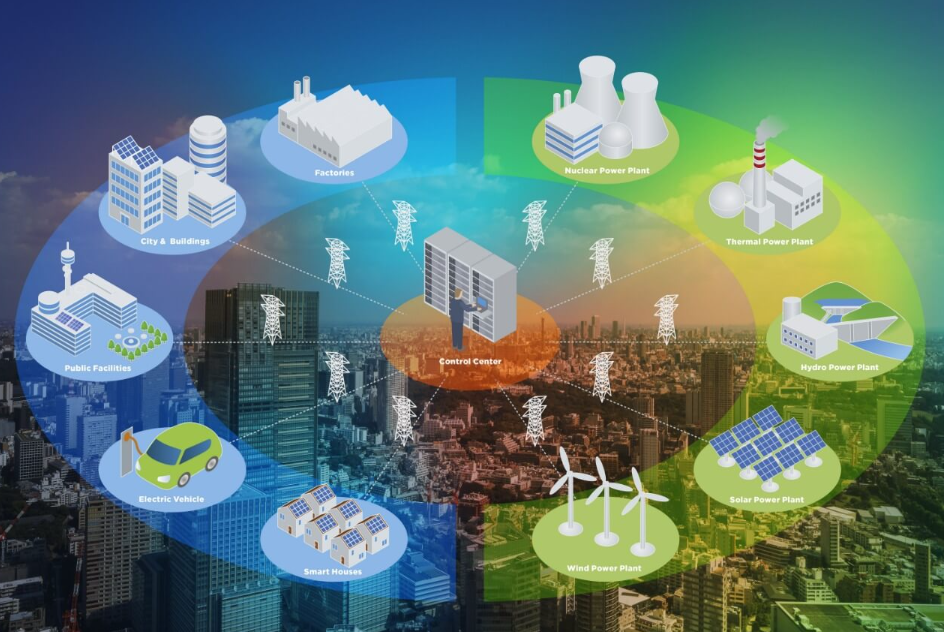
Smart grid technology enables real-time communication between energy providers and consumers. These grids use sensors, smart meters, and data analytics to monitor and manage electricity demand efficiently. By optimizing energy flow and detecting outages instantly, smart grids reduce waste and improve reliability. Additionally, smart grids empower consumers with data on their energy usage, enabling them to make informed decisions to conserve energy and lower their bills.
Key Features:
- Enables two-way communication between utilities and users.
- Reduces energy losses through enhanced efficiency.
- Provides real-time data for proactive maintenance.
Location Perks:
Smart grids are scalable and adaptable, making them suitable for urban and rural areas alike. They are especially beneficial in regions prone to frequent outages or with high energy demand.
2. Renewable Energy Integration: Game-Changing Trends Influencing Energy and Utilities in 2025
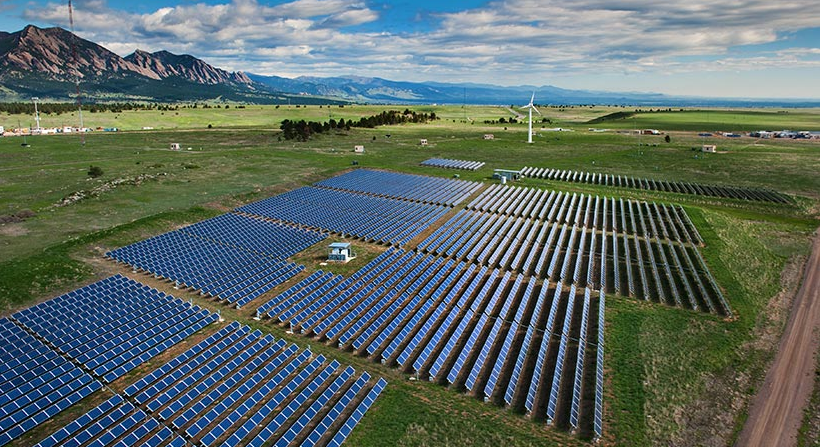
The adoption of renewable energy sources like solar and wind is accelerating, thanks to technological innovation. Advanced inverters, storage solutions, and forecasting tools ensure these intermittent sources are efficiently integrated into the grid. This transition reduces dependence on fossil fuels and promotes sustainability. Moreover, renewable energy integration supports local economies by creating jobs in installation, maintenance, and technology development.
Key Features:
- Enhanced energy storage systems for stability.
- Advanced forecasting to optimize renewable energy use.
- Reduces carbon footprint significantly.
Location Perks:
Can be implemented globally, especially in regions with abundant natural resources. Rural areas with vast open spaces are particularly suitable for large-scale solar or wind farms.
3. Internet of Things (IoT) in Utilities: Game-Changing Trends Influencing Energy and Utilities in 2025
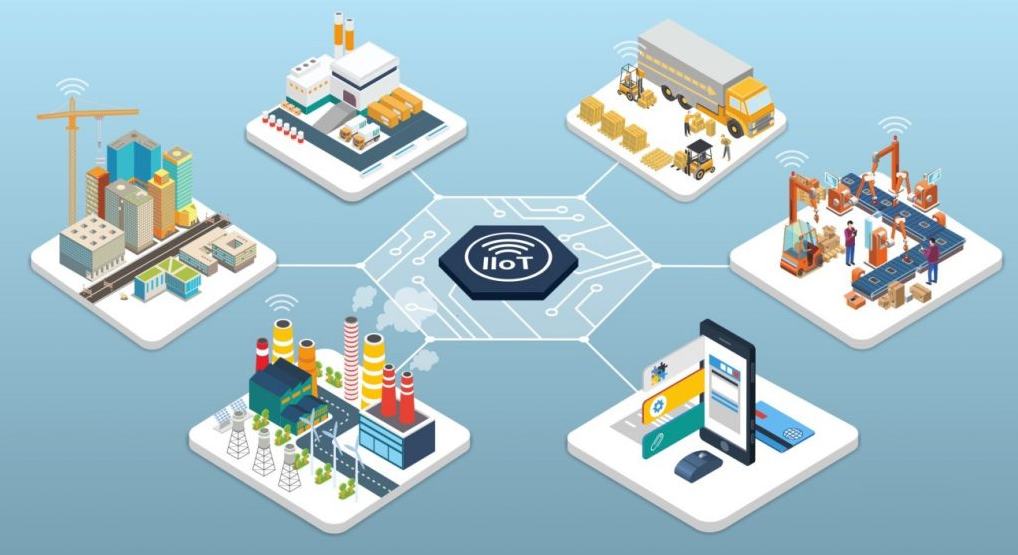
IoT technology connects devices, enabling seamless monitoring and control of energy systems. Smart thermostats, connected appliances, and energy management systems help consumers optimize usage while utilities gain valuable insights for better resource allocation. IoT also enhances predictive maintenance, reducing downtime and operational costs for utility providers.
Key Features:
- Remote monitoring and control capabilities.
- Data-driven insights for energy efficiency.
- Integration with smart home systems for automation.
Location Perks:
Widely applicable in smart cities and modern households worldwide. IoT solutions can be tailored for industrial plants, commercial buildings, and residential areas.
4. Artificial Intelligence and Machine Learning: Game-Changing Trends Influencing Energy and Utilities in 2025
AI and machine learning are transforming energy systems by predicting demand, optimizing operations, and improving maintenance schedules. These technologies analyze massive datasets to identify patterns, ensuring better decision-making and reducing operational costs. They also enhance renewable energy integration by forecasting weather patterns and optimizing energy storage usage.
Key Features:
- Predictive analytics for demand and maintenance.
- Enhanced energy optimization through automation.
- Improves grid stability by managing load variations.
Location Perks:
Suitable for both large-scale utility providers and smaller energy enterprises. AI-driven solutions are especially valuable in regions with complex energy grids.
5. Blockchain for Energy Transactions: Game-Changing Trends Influencing Energy and Utilities in 2025
Blockchain technology is revolutionizing how energy is traded and managed. By providing secure and transparent records, blockchain enables peer-to-peer energy trading, reducing costs and enhancing trust among participants. It also simplifies billing processes, ensuring accuracy and efficiency in transactions.
Key Features:
- Secure and transparent energy transactions.
- Facilitates decentralized energy trading.
- Reduces administrative overhead and fraud.
Location Perks:
Ideal for local microgrids and urban centers embracing renewable energy. Blockchain platforms can also connect energy producers and consumers across borders.
6. Advanced Energy Storage Systems: Game-Changing Trends Influencing Energy and Utilities in 2025
Energy storage is critical for addressing the intermittency of renewable sources. Innovations in battery technology, such as lithium-ion and solid-state batteries, provide efficient storage solutions. These systems ensure energy is available when needed, stabilizing supply. Long-duration storage systems are also being developed to store energy for weeks or months, enabling greater grid reliability.
Key Features:
- Increased storage capacity and efficiency.
- Long-term reliability and reduced costs.
- Enhances grid resilience during peak demand.
Location Perks:
Can be deployed in residential, commercial, and industrial settings. Storage systems are especially valuable in remote areas with limited grid access.
7. Decentralized Energy Systems: Game-Changing Trends Influencing Energy and Utilities in 2025
Decentralized systems empower communities to generate, store, and distribute energy locally. Microgrids and small-scale renewable installations reduce reliance on centralized power plants, enhancing resilience and sustainability. These systems also lower transmission losses and provide energy security during natural disasters or grid failures.
Key Features:
- Local energy generation and distribution.
- Increased energy independence and resilience.
- Supports community-driven energy initiatives.
Location Perks:
Perfect for remote areas or regions prone to natural disasters. Decentralized systems are also ideal for off-grid communities.
8. Electric Vehicle (EV) Infrastructure: Game-Changing Trends Influencing Energy and Utilities in 2025
The rise of EVs demands robust charging infrastructure. Smart charging stations, powered by renewable energy and IoT technology, optimize charging times and reduce grid strain. Additionally, bi-directional charging systems allow EVs to act as mobile energy storage units, contributing to grid stability.
Key Features:
- Fast and efficient EV charging solutions.
- Integration with renewable energy sources.
- Bi-directional energy flow capabilities.
Location Perks:
Highly adaptable to urban and suburban environments. EV infrastructure can also boost tourism in regions with long-distance travel routes.
9. Predictive Maintenance Systems: Game-Changing Trends Influencing Energy and Utilities in 2025
Predictive maintenance uses sensors and AI to monitor equipment health, detecting issues before they become critical. This approach minimizes downtime, reduces repair costs, and extends the lifespan of energy infrastructure. By avoiding unexpected failures, predictive maintenance enhances the reliability of energy supply.
Key Features:
- Real-time monitoring for early issue detection.
- Enhanced asset reliability and performance.
- Reduces operational disruptions.
Location Perks:
Applicable in industrial plants, power stations, and renewable energy installations. This system is especially beneficial in remote facilities where maintenance delays can be costly.
10. Carbon Capture and Storage (CCS): Game-Changing Trends Influencing Energy and Utilities in 2025
CCS technology captures carbon dioxide emissions from power plants and industrial processes, storing it underground to prevent it from entering the atmosphere. This innovation is essential for achieving global climate goals. Recent advancements have also made CCS more cost-effective, encouraging wider adoption.
Key Features:
- Reduces greenhouse gas emissions.
- Supports cleaner energy production.
- Potential for enhanced oil recovery.
Location Perks:
Ideal for industrial hubs and coal-dependent regions. CCS facilities can also be co-located with renewable energy projects to offset emissions.
11. Virtual Power Plants (VPPs): Game-Changing Trends Influencing Energy and Utilities in 2025
VPPs aggregate multiple energy sources, such as solar panels, wind turbines, and batteries, to function as a unified power plant. These systems optimize energy distribution and balance supply and demand effectively. VPPs also enable energy trading between participants, creating new revenue streams.
Key Features:
- Efficient integration of distributed energy resources.
- Enhanced grid stability and flexibility.
- Enables real-time energy trading.
Location Perks:
Ideal for areas with diverse renewable energy sources. VPPs can be implemented in urban and rural settings with access to renewable infrastructure.
12. Hydrogen as an Energy Carrier: Game-Changing Trends Influencing Energy and Utilities in 2025
Hydrogen is emerging as a versatile and clean energy carrier. It can be produced from renewable sources and used for power generation, transportation, and industrial applications. Innovations in hydrogen storage and fuel cell technology are accelerating its adoption. Green hydrogen, in particular, is gaining traction as a zero-emission alternative.
Key Features:
- Clean and efficient energy production.
- Versatile applications across industries.
- Reduces reliance on fossil fuels.
Location Perks:
Best suited for countries investing in hydrogen infrastructure, like Japan and Germany. Hydrogen hubs are also being developed in regions with abundant renewable energy.
13. Energy Management Software: Game-Changing Trends Influencing Energy and Utilities in 2025
Advanced energy management software helps businesses and households monitor and reduce energy consumption. These platforms provide real-time data, actionable insights, and automation features to enhance efficiency and lower costs. They also support demand response programs, allowing users to adjust consumption based on grid conditions.
Key Features:
- Comprehensive energy tracking and analytics.
- Automation for optimized energy usage.
- Integration with renewable and storage systems.
Location Perks:
Widely applicable in commercial buildings and residential smart homes. Energy management software is also ideal for industrial facilities aiming to cut costs.
14. Floating Solar Farms: Game-Changing Trends Influencing Energy and Utilities in 2025
Floating solar farms are an innovative solution to land constraints. These installations on water bodies, such as reservoirs and lakes, maximize solar energy generation while reducing evaporation and preserving land for other uses. Floating panels also benefit from cooler temperatures, enhancing efficiency.
Key Features:
- Efficient use of water surfaces.
- Reduced water evaporation and cooler panel operation.
- Minimizes land use conflicts.
Location Perks:
Ideal for densely populated regions with limited land availability. Floating solar farms can also support irrigation systems in agricultural areas.
15. Waste-to-Energy Technology: Game-Changing Trends Influencing Energy and Utilities in 2025
Waste-to-energy technology converts non-recyclable waste into usable energy, reducing landfill use and generating power simultaneously. Innovations in this field ensure cleaner and more efficient processes. By transforming waste into energy, this technology addresses both environmental and energy challenges.
Key Features:
- Reduces waste and produces renewable energy.
- Minimizes environmental impact.
- Generates byproducts for industrial use.
Location Perks:
Highly effective in urban areas with significant waste generation. Waste-to-energy plants can also be co-located with recycling facilities for maximum efficiency.
By embracing these 15 technological innovations, the energy and utilities sector can achieve unprecedented efficiency, sustainability, and resilience. These advancements are paving the way for a cleaner, smarter, and more reliable energy future.