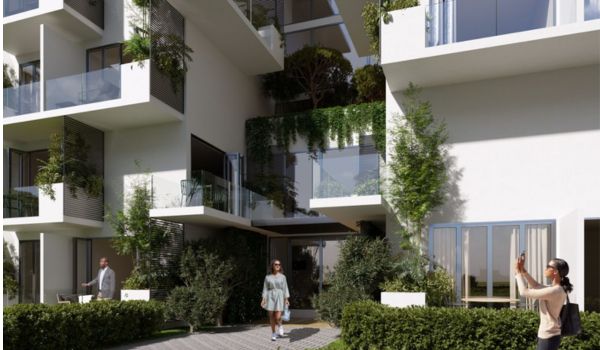
Real estate development has always been a dynamic industry, adapting to changing market demands and technological advancements. In 2025, the focus has shifted towards sustainability, smart technology, and community-centric designs. Developers are embracing innovative strategies to create properties that cater to modern lifestyles and future-proof investments. Here are 15 Innovative Approaches to Real Estate Development.
1. Sustainable Building Designs: Innovative Approaches to Real Estate Development
Sustainability is no longer an option but a necessity in real estate. Developers are integrating eco-friendly designs, such as solar panels, green roofs, and energy-efficient systems, into their projects. These designs reduce environmental impact while appealing to eco-conscious buyers. The use of recycled materials, advanced insulation technologies, and innovative water conservation techniques further enhances the sustainability quotient. By addressing environmental concerns, these projects also gain favor with regulatory bodies, ensuring smoother approvals and long-term value.
Key Features:
- Reduced carbon footprint through green construction practices.
- Lower utility costs for residents.
Location Perks:
- Ideal for urban areas with stringent environmental regulations.
- Attracts buyers in eco-conscious communities.
2. Mixed-Use Developments: Innovative Approaches to Real Estate Development
Mixed-use developments combine residential, commercial, and recreational spaces in one location, creating vibrant communities. These projects offer the convenience of living, working, and relaxing without long commutes. By blending various uses, developers maximize land efficiency and appeal to diverse demographics. Such developments often include green spaces, cultural venues, and pedestrian-friendly designs, fostering a sense of community and enhancing overall quality of life for residents.
Key Features:
- Seamless integration of amenities and services.
- Promotes walkability and reduces reliance on vehicles.
Location Perks:
- Suitable for metropolitan areas with high population density.
- Enhances the appeal of underutilized urban spaces.
3. Smart Home Integration: Innovative Approaches to Real Estate Development
Smart technology is revolutionizing how properties are developed and managed. Real estate developers are incorporating smart home systems, such as automated lighting, climate control, and security, into new builds. These features not only enhance convenience but also increase property value by meeting the expectations of tech-savvy buyers. Smart home integration also allows for remote management, enabling homeowners to control appliances, monitor energy use, and enhance security through mobile apps, creating a futuristic living experience.
Key Features:
- Voice-controlled systems and remote accessibility.
- Energy-efficient technology for reduced operational costs.
Location Perks:
- Popular in tech-forward cities and suburban developments.
- Attracts young professionals and families.
4. Modular Construction
Modular construction involves building components off-site and assembling them on-site. This approach reduces construction time, minimizes waste, and lowers costs. Developers are leveraging modular techniques for residential, commercial, and mixed-use projects, ensuring efficiency without compromising quality. The modular approach also allows for scalability and adaptability, enabling developers to cater to diverse needs, from affordable housing to luxury accommodations, while adhering to strict timelines.
Key Features:
- Faster project completion and reduced labor costs.
- Flexible designs that cater to various needs.
Location Perks:
- Ideal for regions with high construction demand and limited labor.
- Suitable for urban infill and remote locations.
5. Wellness-Centric Communities: Innovative Approaches to Real Estate Development
Wellness-focused developments prioritize residents’ mental and physical health. These communities feature amenities like fitness centers, meditation spaces, and nature trails. Developers also incorporate biophilic designs, which connect residents to nature, promoting a holistic lifestyle. Wellness-centric communities often integrate advanced air purification systems, noise-reducing architecture, and access to nutritious food options, ensuring a comprehensive approach to well-being.
Key Features:
- Air purification systems and green spaces.
- Facilities for wellness activities and stress reduction.
Location Perks:
- Found in suburban or semi-urban areas with access to natural settings.
- Appeals to health-conscious buyers.
6. Adaptive Reuse Projects: Innovative Approaches to Real Estate Development
Adaptive reuse transforms old buildings into modern properties while preserving their historical essence. This approach is gaining traction as developers repurpose warehouses, factories, and other structures into residential or commercial spaces. Adaptive reuse combines creativity with sustainability, reducing demolition waste. These projects also foster cultural preservation, offering unique living and working environments that blend modern amenities with historical charm.
Key Features:
- Retains architectural heritage while modernizing interiors.
- Cost-effective compared to new construction.
Location Perks:
- Ideal for urban areas with historical significance.
- Attracts buyers seeking unique living or working spaces.
7. Co-Living Spaces: Innovative Approaches to Real Estate Development
Co-living developments cater to individuals seeking affordable yet community-oriented housing. These properties offer shared amenities, such as kitchens, lounges, and coworking spaces, fostering collaboration and social interaction. Developers are targeting young professionals, digital nomads, and students with this innovative model. By emphasizing affordability without sacrificing quality, co-living spaces have emerged as a popular choice for modern urban dwellers.
Key Features:
- Affordable living with high-end shared amenities.
- Encourages a sense of community and networking.
Location Perks:
- Thrives in urban hubs with high living costs.
- Suitable for areas with a growing millennial population.
8. Eco-Villages
Eco-villages are sustainable communities that emphasize self-sufficiency and environmental stewardship. These developments incorporate renewable energy systems, organic farming, and natural water management techniques. Eco-villages attract buyers seeking an off-grid lifestyle with a focus on sustainability. These communities also prioritize communal living, encouraging residents to share resources and contribute to environmental initiatives, creating a balanced and harmonious lifestyle.
Key Features:
- Renewable energy systems and shared resources.
- Community-driven initiatives for sustainable living.
Location Perks:
- Often located in rural or semi-rural settings.
- Appeals to environmentally conscious and socially active buyers.
9. Affordable Luxury Housing: Innovative Approaches to Real Estate Development
Developers are redefining luxury by offering high-end features at accessible price points. These projects balance affordability with premium amenities, such as modern interiors, landscaped gardens, and smart home technology. Affordable luxury housing targets the aspirational middle class, bridging the gap between budget and opulence. This approach ensures inclusivity while maintaining the allure of upscale living, making it an attractive option for a broader demographic.
Key Features:
- High-quality finishes and amenities.
- Competitive pricing without compromising luxury.
Location Perks:
- Works well in emerging markets and growing suburban areas.
- Attracts upwardly mobile buyers.
10. Senior Living Communities: Innovative Approaches to Real Estate Development
Senior living developments are designed to cater to the unique needs of retirees and elderly residents. These communities feature age-friendly designs, healthcare facilities, and recreational options. Developers are focusing on creating inclusive environments that enhance the quality of life for seniors. Additional features like social clubs, organized activities, and transportation services make these communities desirable for active and independent living.
Key Features:
- Accessibility features like ramps and elevators.
- On-site healthcare and wellness programs.
Location Perks:
- Ideal for suburban areas with a peaceful atmosphere.
- Proximity to medical facilities and family-friendly neighborhoods.
11. Vertical Gardens and Green Buildings
Vertical gardens and green buildings integrate greenery into urban spaces, enhancing aesthetics and air quality. Developers use living walls, rooftop gardens, and sustainable materials to create eco-friendly properties. These features align with the growing demand for environmentally conscious urban living. Beyond their environmental benefits, vertical gardens also provide insulation, reducing energy costs and improving indoor air quality for residents and workers.
Key Features:
- Improves air quality and reduces heat island effects.
- Boosts property value through innovative designs.
Location Perks:
- Thrives in dense urban areas with limited green spaces.
- Appeals to environmentally aware residents and businesses.
12. Data-Driven Development
Real estate developers are leveraging data analytics to make informed decisions about design, location, and amenities. Using AI and big data, they analyze market trends, customer preferences, and economic indicators. This approach minimizes risks and ensures that developments meet market demands. By understanding buyer behavior and predicting future trends, data-driven strategies help create properties that resonate with the target audience.
Key Features:
- Optimizes resource allocation and design choices.
- Enhances customer satisfaction through tailored offerings.
Location Perks:
- Effective in competitive markets with diverse demographics.
- Benefits regions undergoing rapid urbanization.
13. Transit-Oriented Developments (TODs)
TODs prioritize accessibility by integrating residential and commercial spaces near public transportation hubs. These developments reduce commuting time and promote sustainable urbanization. Developers focus on creating walkable neighborhoods with seamless connectivity. TODs often include mixed-use facilities, ensuring residents have easy access to daily necessities and recreational activities, fostering a balanced urban lifestyle.
Key Features:
- Proximity to public transit and reduced travel times.
- Mixed-use spaces with retail, dining, and recreational options.
Location Perks:
- Ideal for urban and suburban regions with strong transit systems.
- Appeals to professionals and families seeking convenience.
14. Luxury Vacation Rentals
High-end vacation rental properties cater to affluent travelers seeking exclusive experiences. Developers design these properties with luxurious amenities, scenic views, and bespoke services. Vacation rentals are also lucrative investments, offering high returns through short-term leasing. These properties often include unique features like private pools, concierge services, and curated experiences to attract discerning travelers.
Key Features:
- High-end furnishings and personalized services.
- Strategically located in tourist hotspots.
Location Perks:
- Thrives in coastal, mountainous, or historical regions.
- Attracts investors seeking passive income opportunities.
15. Greenfield Developments
Greenfield projects involve developing previously unused land, offering a blank canvas for innovative designs. Developers have complete freedom to plan sustainable and modern communities from scratch. These projects are ideal for creating large-scale residential or mixed-use developments. With opportunities for cutting-edge infrastructure and advanced technology integration, greenfield developments set the stage for futuristic living spaces.
Key Features:
- Customizable designs tailored to market needs.
- Opportunities for large-scale infrastructure integration.
Location Perks:
- Suitable for rapidly growing suburban or rural areas.
- High demand in regions with expanding populations.
The real estate industry is evolving rapidly, driven by innovation and shifting consumer preferences. By adopting these 15 approaches, developers can create properties that not only meet market demands but also contribute to sustainable and inclusive communities. These trends are shaping the future of real estate development, offering exciting opportunities for investors and residents alike.